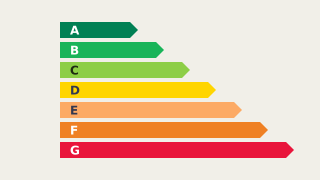

The short answer: you need an EPC when you sell a home, let it, or finish building or converting it. You do not need one simply to live in it. The table covers the common situations, and each one is explained below with the rule it comes from. These are the rules for England and Wales.
| Situation | EPC needed? |
|---|---|
| Selling a home, with an agent or privately | Yes, before it is marketed |
| Letting a whole home or a self-contained flat | Yes, before it is marketed |
| A new tenant, with a valid EPC already | No new one, if under 10 years old |
| Renewing or extending a lease with the same tenant | No |
| Evicting a tenant (England) | No new one. The EPC rule went with section 21 on 1 May 2026 |
| Renting out a single room, or taking a lodger | No, for the room |
| Holiday let or short-term let | Depends on how it is let |
| Remortgaging | Not under the EPC regulations |
| Extending or renovating, then staying | No |
| Building a new home, or converting a house into flats | Yes, when the work is finished |
| Listed or protected building | Only exempt in limited cases |
| Stand-alone building under 50 m² | No |
| Home to be demolished, with planning in place | No |
Selling
Selling a house or flat
Yes. You must commission an EPC before the home goes on the market, unless there is already a valid one for it. You then have to use all reasonable efforts to have it within 7 days, with a further 21 days allowed if it still is not ready. You must show it free of charge to anyone who asks for written details or views the home, and give it free to the buyer.
Adverts in the commercial media, which includes newspapers, the agent's or seller's written particulars and the internet, must show the energy rating. If an estate agent is marketing the home, they must be satisfied that an EPC has been commissioned. Our selling guide covers timing and the rest of the process.
Selling privately, without an agent
Yes, and the duties are the same. Without an agent, you are the person responsible for commissioning the EPC before marketing and for giving it to the buyer.
Can I reuse an old EPC?
Yes, if it is under 10 years old and no newer EPC has been lodged for the home. One certificate can be used for any number of sales and lettings in that time. Look it up on the register first.
Selling a listed building, or a home in a conservation area
Listed status is not an automatic exemption. The regulations exempt protected buildings only in so far as meeting minimum energy performance requirements would unacceptably alter their character or appearance. GOV.UK's guidance suggests asking your council's conservation officer if you are unsure whether that applies. The government also intends to remove these heritage exemptions in future reforms.
Letting
Letting a whole home or a flat
Yes. The same duties apply as for a sale: commission an EPC before marketing, show it to prospective tenants, and give it free to the tenant. The home must also meet the minimum rating for most private lettings, currently band E. Our guide for landlords covers that standard and its exemptions.
A new tenant moving in
You need a valid EPC, but it does not have to be new. A certificate under 10 years old can be reused for every new tenancy until it expires.
Renewing or extending a tenancy with the same tenant
No. GOV.UK's guidance lists lease renewals and extensions as transactions that are not a sale or a letting, so they do not need a new EPC. If the EPC runs out during a tenancy, you do not have to replace it at that moment; you need a valid one before you next market or let the home. The government is still deciding whether to change that.
Evicting a tenant (England)
You do not need a new EPC to end a tenancy. Until 30 April 2026, a landlord could only serve a valid section 21 notice if they had given the tenant an EPC, a gas safety certificate (where there is gas) and the 'How to rent' guide. Part 1 of the Renters' Rights Act 2025 came into force on 1 May 2026, and since then landlords cannot use section 21. The last day to take an earlier notice to court was 31 July 2026.
Since 1 May 2026 a landlord can only give notice under section 8 of the Housing Act 1988. GOV.UK's guidance on that process does not list an EPC among the conditions. The EPC duties when you let a home, above, still apply. Take legal advice on your own case.
Renting out a room, or taking a lodger
No, not for the room. GOV.UK's guidance says an individual room that is rented out does not need an EPC, because it is not a building or a unit designed for separate use. The whole home needs one if it is later sold or let as a whole.
Houses in multiple occupation (HMOs)
Rooms let individually do not each need an EPC. The whole building needs one if it is sold or let as a whole, and each self-contained flat that is sold or let needs its own. The government intends to require an EPC for the whole HMO when a single room is let, but that needs new regulations first. Many councils also ask for an EPC with a licence application: see what a licence application asks for.
Holiday lets and short-term lets
It depends on how the home is let and who pays for the energy. GOV.UK's guidance says a holiday let needs an EPC where it is let in stays of under 31 days, for a total of 4 months or more in any 12 months, and the guests pay the energy costs. Separately, a home used for less than four months of the year is outside the duties altogether.
That guidance dates from 2017 and refers to a tax definition of furnished holiday lets, so take advice on your own let. The government intends to bring short-term lets into scope whoever pays the bills.
Buying, owning and mortgages
Buying a home
You do not commission it. The seller must give you the EPC free of charge. You can also look up any home's EPC on the register before you view it.
Living in your home
No. Existing owners and occupiers do not need an EPC unless they sell, let, assign or sublet. An EPC that expires while you live in the home does not have to be replaced.
Remortgaging
The EPC regulations do not require one, because a remortgage is not a sale or a letting. Your lender sets its own requirements, so ask them directly. Some lenders' green mortgages need a particular rating: see what EPC rating you need for selling, letting, mortgages and grants.
Building work
An extension or renovation
Not by law, unless you then sell or let. Your existing EPC stays valid until it is 10 years old or a newer one is lodged, but it will not show the extension or new insulation. If you are about to sell or let, a new assessment records the home as it is now.
A new build, or converting a house into flats
Yes. When a building is put up, or a building is converted so that it has more or fewer separate units (for example, a house split into flats), the person carrying out the work must give the owner an EPC, and tell the local authority, within 5 days of the work finishing.
Exemptions
The EPC duties do not apply to:
- Some listed and protected buildings, only in so far as meeting energy performance requirements would unacceptably alter their character or appearance.
- Stand-alone buildings with less than 50 m² of total useful floor area, meaning buildings fully detached from any other building, such as some garages, studios and annexes.
- Temporary buildings with a planned time of use of two years or less.
- Homes used, or intended to be used, for less than four months of the year, or with expected energy use under 25% of all-year use.
- Homes to be demolished, where the site is suitable for redevelopment and all the planning permissions and consents for the demolition and the redevelopment are in place.
GOV.UK's guidance adds that the government cannot advise on whether an exemption applies to a particular property, so take specialist advice before relying on one.
If you need an EPC
Check the register first: a valid certificate may already exist. If it does not, or it no longer reflects the home, request your exact quote. We charge the same in every London borough.
What it costs
An EPC is priced by the home’s internal floor area. Guide prices:
- Up to 40 m²Studios and compact flats£65
- 41–55 m²1-bedroom flats£75
- 56–75 m²2-bedroom flats and small homes£85
- 76–95 m²2–3-bedroom homes£95
- 96–115 m²3–4-bedroom houses£105
- 116 m² and overLarge homes, 4+ bedroomsfrom£120
A floor plan at the same visit saves up to £35. Same-day lodgement is £15 extra, and a next-day visit with the EPC lodged that day is £35 extra. Your exact price is confirmed before you book.
See every priceFrequently asked questions
Is an EPC a legal requirement?
Yes, when you sell or let a home in England or Wales. The seller or landlord must commission one before the home is marketed and give it free to the buyer or tenant. Trading Standards enforce the rules and can issue a penalty charge.
Can I sell my house without an EPC?
Not legally. You must commission an EPC before the home goes on the market, and make every reasonable effort to have it within 7 days, with a further 21 days allowed if it still is not ready. The rule is the same if you sell privately without an agent.
Do I need a new EPC for a new tenant?
Only if the existing EPC is more than 10 years old, or if you want a newer one. A valid EPC can be reused for every letting within its 10 years. The home must also meet the minimum rating for rented homes, currently band E.
Do I need an EPC to evict a tenant?
Not in England since 1 May 2026. Giving the tenant an EPC was one of the conditions for a valid section 21 notice, and since Part 1 of the Renters' Rights Act 2025 came into force on that date, landlords cannot use section 21. Landlords now give notice under section 8 of the Housing Act 1988, and GOV.UK's guidance on that process does not list an EPC among the conditions. Take legal advice on your own case.
Do I need an EPC to rent out a room or take a lodger?
No. GOV.UK's guidance says an individual room that is rented out does not need an EPC, because it is not a building or a unit designed for separate use. The whole home needs one if it is sold or let as a whole.
Do I need an EPC for a holiday let or Airbnb?
It depends on how it is let and who pays for the energy. GOV.UK's guidance says a holiday let needs an EPC where it is let in stays of under 31 days, for a total of 4 months or more in any 12 months, and the guests pay the energy costs. Take advice on your own let, because the guidance dates from 2017 and the government intends to bring short-term lets into scope whoever pays the bills.
Do I need a new EPC after an extension?
Not by law, unless you sell or let. Your existing EPC stays valid until it is 10 years old or a newer one is lodged. It will not show the extension, so if you are about to sell or let, a new assessment records the home as it is now.
In your area
Ratings from EPCs lodged for existing homes, 01/01/2023 to 12/10/2026, from the GOV.UK register.
Sources
- The Energy Performance of Buildings (England and Wales) Regulations 2012, regulations 5 to 9, legislation.gov.uk. Checked 29/10/2026.Reg 5: buildings the duties do not apply to. Reg 6: EPC on sale and rent, free of charge to the buyer or tenant. Reg 7: EPC commissioned before marketing, 7 + 21 days. Reg 7A: EPC on construction and on conversions that change the number of separate units, within 5 days. Reg 8: dwellings to be demolished. Reg 9: 10-year validity.
- A guide to energy performance certificates for the marketing, sale and let of dwellings, GOV.UK (DCLG). Checked 29/10/2026.Existing occupiers and tenants do not need an EPC unless they sell, assign or sublet; no EPC for an individual room; holiday let conditions; lease renewals and extensions are not a sale or rent; listed buildings and conservation officer advice; Trading Standards enforcement.
- Reforms to the Energy Performance of Buildings regime: partial government response, GOV.UK (MHCLG and DESNZ). Checked 29/10/2026.Intends to require an EPC for the whole HMO when a single room is let, to bring short-term lets into scope whoever pays the bills, and to remove the heritage exemptions; new regulations are needed first. Whether an expiring EPC must be replaced during a tenancy is still to be decided.
- Domestic private rented property: minimum energy efficiency standard, landlord guidance, GOV.UK (DESNZ). Checked 29/10/2026.Rented homes covered by the regulations need EPC band E or above.
- Giving notice of possession to tenants before 1 May 2026, GOV.UK (MHCLG). Checked 31/10/2026.England. A valid section 21 notice needed the tenant to have been given an EPC, a gas safety certificate and the How to rent guide; no section 21 notices from 1 May 2026; 31 July 2026 was the last date to apply to court on an earlier notice.
- Repossessing your privately rented property after 1 May 2026, GOV.UK (MHCLG). Checked 31/10/2026.England. Part 1 of the Renters' Rights Act 2025 in force 1 May 2026; notice only under section 8 of the Housing Act 1988; no EPC condition listed.
Crown copyright material is used under the Open Government Licence v3.0.
Was this guide useful?