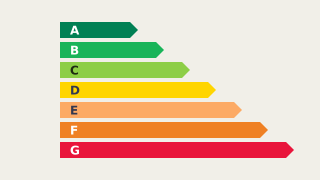

An EPC is valid for 10 years. The test in the regulations is simple: the certificate must have been lodged on the government register no more than 10 years before you give it to a buyer or tenant, and no newer EPC can have been lodged for the property since. The certificate belongs to the property, not the owner, so a previous owner's EPC still counts while it is in date.
How the 10-year validity works
The 10 years run from the date the certificate was lodged on the government register, which is normally the day the assessor submits it. The expiry date is printed on the certificate and shown on the GOV.UK find an energy certificate service.
Two rules sit behind that date:
- The clock is checked when you hand the EPC over. A certificate lodged 9 years and 11 months before you give it to a buyer or tenant is still valid for that sale or let.
- A newer EPC replaces an older one. Only the most recent certificate for a property is valid, even if the older one is still inside its 10 years.
The certificate stays on the register whoever owns or lets the property. A new owner, landlord or agent can use it until it runs out.
When you need a new EPC
Selling the property
If there is no valid EPC, you must commission one before the property goes on the market, and your agent must be satisfied it has been commissioned before they market it. The certificate then has to be obtained within 7 days of the property going on the market, or within a further 21 days if it could not be done in the first 7 despite reasonable efforts. See our EPC for selling guide for timing.
Renting the property
Each new tenant must be given a valid EPC free of charge. If the certificate runs out during a tenancy, the tenant already living there does not need a new one. GOV.UK's guidance also lists lease renewals and extensions among the transactions it does not treat as a new let. You need a valid EPC again before you let to a new tenant.
Rented homes and the minimum standard
The minimum energy efficiency standard applies to lets of properties that are legally required to have an EPC. GOV.UK's landlord guidance puts it this way: "If the property you let has been marketed for sale or let, or modified, in the past 10 years then it will probably be legally required to have an EPC." Our landlord guide covers the minimum rating and exemptions.
Property licences
If your council runs HMO or selective licensing, it sets its own list of documents for an application. Check that list before you apply, and allow time for an EPC if it is on it.
When you might want a new EPC anyway
After making improvements
A new EPC after cavity wall insulation, loft insulation, a boiler replacement or solar PV records the property as it now is. The new certificate:
- records the newly assessed rating, which is not guaranteed to be higher;
- becomes the valid EPC for the property once it is lodged;
- can be used as evidence of the current rating, subject to the actual result and the rules that apply.
Book the visit after the works are finished, and have the installer's paperwork ready.
Before the certificate lapses
If your EPC is close to 10 years old and you plan to sell or re-let soon, book the new assessment before you market the property rather than after. We lodge within 72 hours of the visit as standard.
EPC validity and mortgage lenders
Lenders set their own criteria, and they can change. A certificate that is valid in law may still be older than a lender wants, or a lender may ask about the rating itself. If you are buying or remortgaging, ask your lender or broker what they need before you book anything.
How to check your EPC expiry date
- Go to the GOV.UK find an energy certificate service.
- Search by postcode, by street and town, or by certificate number.
- Select your property.
- The certificate shows when the assessment was done and when the certificate expires.
The service is free and needs no account. If nothing shows for the property, either no EPC has been lodged for it or the owner has opted out of public search. Our guide to finding, checking and saving your EPC covers the register in more detail.
EPC validity in common scenarios
| Scenario | Valid for a new sale or let? | What to do |
|---|---|---|
| Selling, EPC lodged 6 years ago, no newer EPC | Yes | Use the existing certificate |
| Re-letting to a new tenant, EPC lodged 11 years ago | No | Commission a new one before marketing |
| Same tenant staying on, EPC ran out during the tenancy | No new EPC needed for that tenant | Get a new one before the next let |
| Bought a home whose EPC is 9 years old | Yes, while it is under 10 years old | Plan a new one if you sell or let after it runs out |
| Cavity wall insulation fitted since the last EPC | The existing EPC is still valid | Optional: a new assessment records the work |
| A newer EPC was lodged last year | Only the newer one | Use the most recent certificate |
Can an EPC be transferred between properties?
No. An EPC is produced for a specific property at a specific address and cannot be moved to another one. A self-contained flat can have its own EPC, and any unit that is sold or let needs one. A single room let on its own does not, because it is not a separately designed unit; the whole building needs an EPC if it is sold or let.
We cover all London boroughs, and appointment availability is confirmed before booking. See our pricing page for costs by property size, or request your exact quote.
What it costs
An EPC is priced by the home’s internal floor area. Guide prices:
- Up to 40 m²Studios and compact flats£65
- 41–55 m²1-bedroom flats£75
- 56–75 m²2-bedroom flats and small homes£85
- 76–95 m²2–3-bedroom homes£95
- 96–115 m²3–4-bedroom houses£105
- 116 m² and overLarge homes, 4+ bedroomsfrom£120
A floor plan at the same visit saves up to £35. Same-day lodgement is £15 extra, and a next-day visit with the EPC lodged that day is £35 extra. Your exact price is confirmed before you book.
See every priceFrequently asked questions
Can I use my existing EPC to sell or let my property?
Yes, if it was lodged on the register no more than 10 years before you give it to the buyer or tenant, and no newer EPC has been lodged for the property. A previous owner's EPC counts, because EPCs belong to the property, not the owner.
Does an EPC automatically expire at 10 years?
For selling and letting, yes. Once a certificate was lodged more than 10 years ago it can no longer be used for a new sale or let, so you need a new assessment before you market the property. A tenant already living in the home does not need a new EPC because the old one has run out.
Can I get a new EPC before the existing one expires?
Yes, at any time. The new certificate records the property as it is now, and once it is lodged it becomes the valid one. After improvements the rating may go up, but it can also stay the same or go down, because it reflects what the assessor records.
What if I bought a property with an old EPC?
If it was lodged within the last 10 years and no newer one exists, you can use it when you sell or let. If it is older than that, commission a new one before marketing. The expiry date is on the certificate and on the GOV.UK register.
What is the penalty for not having a valid EPC?
For a home, failing to make a valid EPC available when selling or letting, or failing to commission one before marketing, carries a £200 penalty charge for each breach under regulation 38 of the 2012 regulations. Letting a home below band E without a registered exemption is a separate breach of the minimum standard, with fines of up to £5,000 per property in total.
In your area
Ratings from EPCs lodged for existing homes, 01/01/2023 to 12/10/2026, from the GOV.UK register.
Sources
- The Energy Performance of Buildings (England and Wales) Regulations 2012, regulation 9, legislation.gov.uk. Checked 22/10/2026.An EPC is valid if entered on the register no more than 10 years before it is made available, and no newer EPC has been entered since.
- The Energy Performance of Buildings (England and Wales) Regulations 2012, regulations 6 and 7, legislation.gov.uk. Checked 22/10/2026.Commission an EPC before marketing; obtain it within 7 days, or a further 21 days; give it free to the buyer or tenant.
- The Energy Performance of Buildings (England and Wales) Regulations 2012, regulation 38, legislation.gov.uk. Checked 22/10/2026.£200 penalty charge for a dwelling.
- A guide to Energy Performance Certificates for the marketing, sale and let of dwellings, GOV.UK (DCLG). Checked 22/10/2026.Reuse within 10 years; existing tenants; lease renewals; only the most recent EPC is valid; building units and single rooms; opting out of public search.
- Domestic private rented property: minimum energy efficiency standard, landlord guidance, GOV.UK. Checked 22/10/2026.Which lets the minimum standard covers, and the £5,000 total fine limit.
- Find an energy certificate, GOV.UK. Checked 22/10/2026.
Crown copyright material is used under the Open Government Licence v3.0.
Was this guide useful?